
Lighting a shed sounds simple until there is no power supply nearby.
For many sheds, garages, farm buildings and remote storage areas, installing a conventional light means running electrical cables from the main building, hiring an electrician or even digging trenches for underground wiring.
For a small building that only needs reliable lighting at night, this can make the installation more complicated than expected.
So, how to light a shed without electricity?
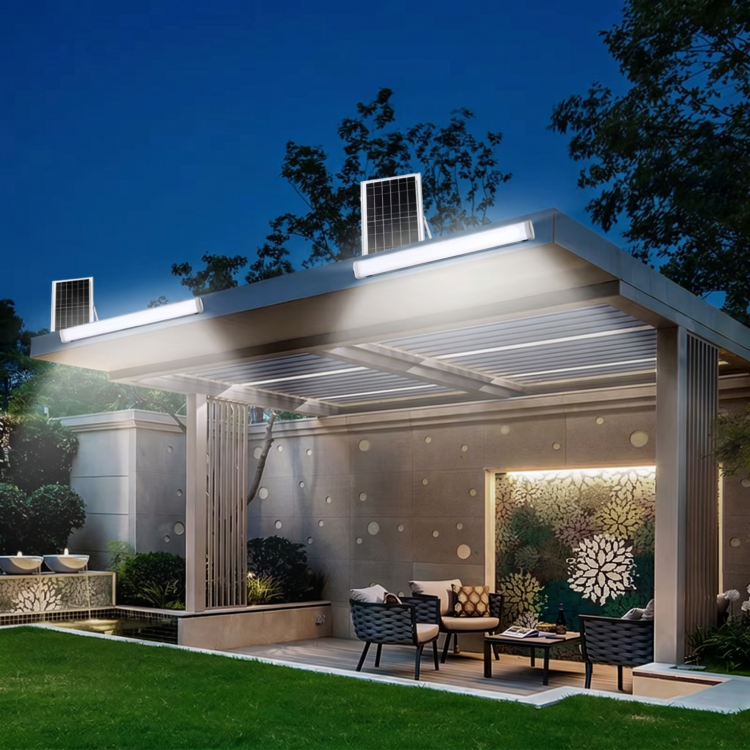
One practical option is to use a solar lighting system with a separate solar panel and LED light. It allows the solar panel to stay outside in the sunlight while the light is installed exactly where illumination is needed.
Why Is Lighting a Shed Without Electricity Difficult?
The biggest challenge is not the LED light itself. It is getting electricity to the installation point.
A conventional LED batten normally requires an AC power supply. If the shed is far from the main building, additional cables, electrical installation and construction work may be required.
This becomes particularly inconvenient for locations such as:
- Garden sheds
- Detached garages
- Farm buildings
- Storage rooms
- Workshops
- Shipping containers
- Carports
- Remote cabins
In these applications, an off-grid lighting solution can eliminate the need to extend mains electricity simply for lighting.
How Does Solar Shed Lighting Work?
A typical solar lighting system consists of a solar panel, rechargeable battery, controller and LED light.
During the day, the solar panel converts sunlight into electricity and charges the battery. At night, the stored energy is used to power the LED fixture.
The basic principle is simple:
Sunlight → Solar Panel → Battery → LED Light
The actual performance, however, depends on how these components are matched.
A larger LED wattage does not automatically mean a better system. Solar panel output, battery capacity, LED efficiency, required operating hours and local sunlight conditions all need to work together.
For more background on photovoltaic technology, you can learn about solar energy basics from the U.S. Department of Energy.
Why Use a Separate Solar Panel?
This is one of the most important considerations when choosing a solar light for a shed.
The best position for the light is not always the best position for the solar panel.
For example, the LED fixture may need to be installed inside a shed, while the solar panel needs direct access to sunlight outside.
A system with a separate panel solves this problem.
The solar panel can be installed on the roof or an exterior wall where it receives sufficient sunlight, while the LED light can be installed inside the building.
In simple terms:
The light does not need sunlight. The solar panel does.
This makes a separate-panel system particularly useful for sheds, garages, workshops, containers and covered areas.
Is a Solar Batten Light Suitable for a Shed?
A solar batten light combines the familiar shape and wide illumination of a traditional LED batten with an independent solar power system.
It can be a practical option when the building requires general area lighting rather than a small decorative light.
For example, a batten-style fixture can be installed on the ceiling or wall of a shed to illuminate a workbench, storage area or general indoor space.
Because no mains power is required, installation can also be simpler in remote locations.
However, the system still needs to be properly sized according to the application.
What Should You Check Before Choosing Solar Shed Lighting?
This is where many buyers make a mistake.
Do not choose a solar light based only on the advertised LED wattage.
Before selecting a system, consider these factors.
1. Required brightness
A small storage shed and a working garage have very different lighting requirements.
2. Required working time
Do you need the light for two hours after sunset, six hours, or throughout the night?
Longer operating times require more stored energy.
3. Battery capacity
The battery must store enough energy to support the required LED output and working schedule.
4. Solar panel size
The panel needs to generate enough energy during daylight hours to recharge the battery.
5. Local sunlight conditions
Solar performance can vary significantly depending on location, season, weather and panel orientation.
6. Installation position
Check whether the solar panel can be positioned where it receives sufficient sunlight throughout the day.
This is why a well-designed solar powered batten light should be considered as a complete system rather than simply an LED fixture with a solar panel attached.
What About Cloudy and Rainy Days?
This is another important question for off-grid solar lighting.
Solar panels can still generate electricity under cloudy conditions, but their output is lower than under strong sunlight.
If a project needs reliable lighting through consecutive cloudy or rainy days, the battery capacity, solar panel size and lighting schedule should be designed accordingly.
Using intelligent dimming or reducing the LED output during certain periods can also extend operating time.
For project applications, it is therefore useful to know the installation location and required backup time before deciding on the final configuration.
Where Else Can Solar Batten Lights Be Used?
The same concept is not limited to sheds.
A separate-panel solar lighting system can also be useful for:
Garages where mains wiring is unavailable.
Farm buildings located far from the main electrical supply.
Shipping containers used for storage or temporary workspaces.
Carports requiring nighttime illumination.
Remote warehouses where extending electrical cables would be expensive.
Outdoor shelters and corridors where the solar panel can be positioned separately from the light.
These applications have one thing in common: lighting is needed in a location where providing conventional electricity is inconvenient or costly.
Solar Lighting Is More Than Just Wattage
One of the common misunderstandings about solar lighting is focusing too heavily on LED wattage.
For example, simply changing from a 20W LED to a 40W LED does not necessarily create a better solar lighting system.
Higher power also means higher energy consumption.
The better approach is to balance:
LED efficiency + required brightness + battery capacity + solar panel output + working time.
This is especially important for distributors and project contractors because two products that look almost identical can perform very differently depending on their internal configuration.
Is Solar Lighting the Right Choice for Your Shed?
If your shed already has easy access to mains electricity, a conventional LED batten may still be the simplest option.
But when electrical wiring is unavailable, expensive or difficult to install, solar shed lighting offers an alternative way to provide illumination without extending the electrical grid.
A system with a separate solar panel is particularly useful when the light needs to be installed indoors or under a roof while the solar panel needs to remain outside.
The key is choosing the system according to the actual application rather than simply selecting the highest advertised wattage.
For projects involving sheds, garages, farm buildings, containers or other off-grid locations, Yistar can provide solar batten light solutions with different solar panel, battery and lighting configurations according to the required working time and installation conditions.
FAQ
Can you light a shed without electricity?
Yes. Solar-powered LED lighting can provide illumination without a mains electrical connection. A separate solar panel can be installed outside while the LED light is installed inside the shed.
What is the best solar light for a shed?
The appropriate solar light depends on the size of the shed, required brightness, daily operating time and local sunlight conditions. For general indoor illumination, a solar batten-style light with a separate panel can be a practical option.
Will a solar shed light work on cloudy days?
Solar panels can still generate energy in cloudy weather, but output is reduced. Battery capacity, solar panel size and lighting schedule should therefore be selected according to the required backup time.
Can the solar panel be installed outside while the light is inside?
Yes. A separate-panel solar lighting system allows the solar panel to be mounted outdoors in direct sunlight while the LED fixture is installed inside the shed, garage or other covered area.


